
Ultimate Guide: Mount Taranaki (Taranaki Maunga)

Mount Taranaki Guide
Mount Taranaki Guide (Taranaki Maunga) Best Walks, Entrances & Summit Tips
A visit to Taranaki isn’t complete without seeing Mount Taranaki / Taranaki Maunga. At 2,518 m, it’s one of the most strikingly symmetrical mountains you’ll ever lay eyes on—and whether you’re here for a short goblin-forest stroll, a waterfall mission, a multi-day circuit, or a summit day, the maunga delivers.
At a Glance
- Recommended time: 2–7 hours (depends on the walk you choose)
- Parking: Limited
- Food & beverage: Yes (depending on where you go)
- Wheelchair accessible: No
- Dogs: No
- Family friendly: Yes
- Mobile coverage: Yes
Where to access Mount Taranaki
You can reach the mountain by car via three main entry points:
- Manaia Road → Dawson Falls (south side)
- Pembroke Road → Stratford Plateau (East Egmont side) (highest road access + viewing platform; also the approach for the ski field)
- Egmont Road → North Egmont (visitor centre area and a major hub for tracks)
A quick bit of history (and why the maunga matters)
Captain Cook originally named it Mt Egmont. In 1986, Mount Taranaki became the alternative and equal official name.
Taranaki Maunga is sacred to Māori and carries powerful stories—one well-known legend describes Taranaki leaving the central plateau after conflict with Tongariro and carving river valleys as he travelled west.
The best walks on Mount Taranaki (by time + effort)
Mount Taranaki has tracks ranging from 5–15 minute family loops to multi-day circuit tramps. The lower slopes are famous for high rainfall and lush mossy “goblin forest.”
Easy family loops (15–30 minutes)
- Nature Walk (North Egmont): ~15 minutes, popular with families
- Kāmahi Loop (East Egmont): ~15–30 minutes through goblin forest, great for kids
A classic short walk (about 1 hour)
- Kapuni Loop Track (Dawson Falls): ~1 hour return alongside Kapuni Stream
Multi-day “big” adventures
- Around the Mountain Circuit: 4–5 days of backcountry river, alpine and forest terrain
- Pouakai Circuit (North Egmont): 2–3 days with huts and huge scenery
Summit climb (read this before you commit)
The summit route is accessed from North Egmont. Wild Taranaki notes a typical summit day is about 8–10 hours return for fit, experienced trampers.
DOC’s seasonal guidance is simple and important:
- January–April: fit, well-equipped trampers can often reach the summit in good conditions
- May–December: snow and ice are common; mountaineering experience + equipment are required
For extra prep, the Mountain Safety Council has a Taranaki summit route safety video highlighting hazards and required preparation.
Manganui Ski Field (winter option)
If you want snow without a massive mission, the Manganui Ski Field on the eastern slopes is operated by the Stratford Mountain Club. From the car park, it’s about a 25-minute walk up to the ski field. The season typically runs June to October and suits learners to intermediate skiers/snowboarders.
What to wear / what to pack
Mount Taranaki weather can change fast—even on a blue-sky morning—so pack like the mountain might surprise you:
- Sturdy shoes
- Layers (plus backup warm clothing)
- Waterproof jacket
- Spare socks + a change of clothes
- Snacks + drink bottle
- Sunblock + sunglasses
- Any medication


Frequently Asked Questions
Stay with us in Stratford
Base yourself at Amity Motel—quiet, spotless studios & apartments with parking at the door, fast Wi-Fi, heat pumps/AC, and handy kitchenettes. Perfect after a big day on Taranaki.
Premium Studio
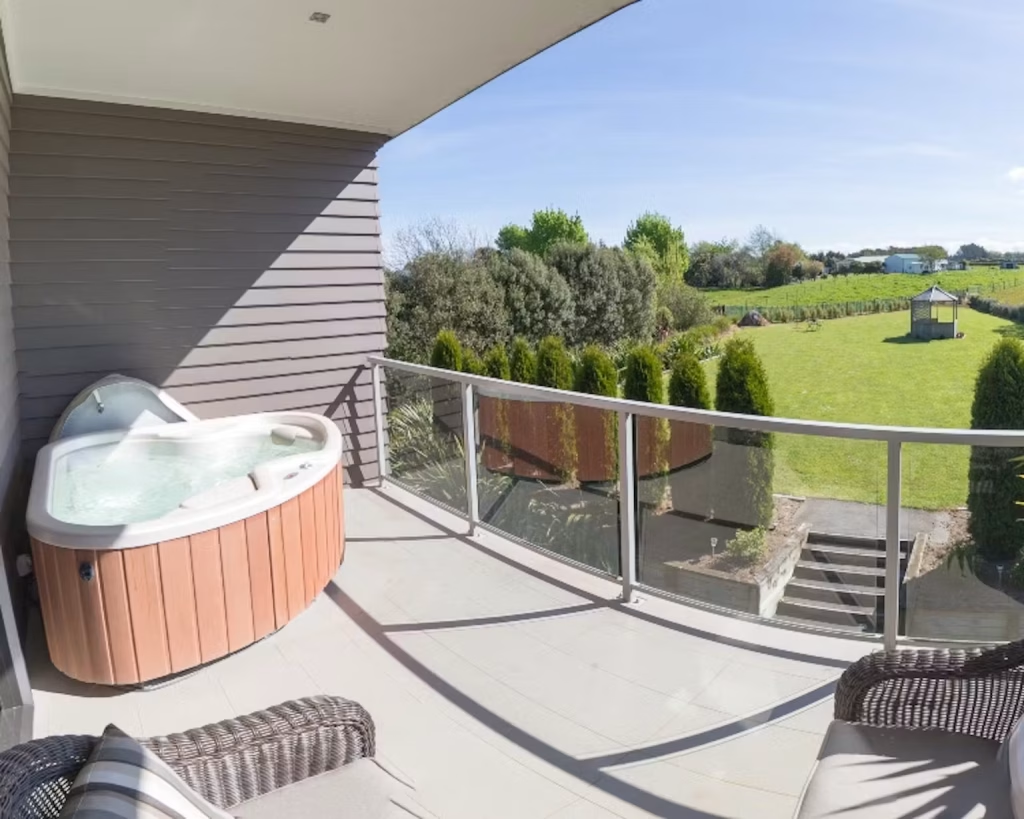
Room Overview
Modern, super-clean studios and apartments with everything you need:
– Free parking right outside
– Reliable Wi-Fi & 50+ Sky channels
– Heat pumps / AC for year-round comfort
– Kitchenettes to prep an easy meal
– Guest laundry & quiet rooms for real rest


